Your heating bills may leave you ‘speechless’ this winter. When Tracie Klossner opened up her utility bill this month, she immediately walked over to her thermostat and turned the temperature down by a few degrees. “I was just utterly speechless,” said Klossner, a purchasing manager for a small manufacturing company. As millions of Americans reel from the coldest invasion of the Arctic in years now comes the sticker shock of high utility bills after heat ran nearly nonstop to combat the freeze.
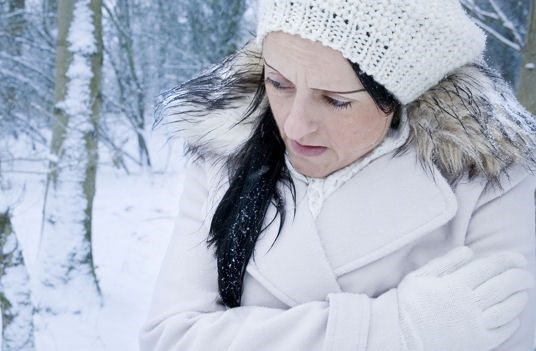
Turning down the heat can be dangerous. Prolonged exposure to low indoor temperatures affects the body in several intertwined ways—physiological, metabolic, and psychological—and the risks rise sharply for infants, the elderly, and anyone with cardiovascular or respiratory conditions. When ambient temperature drops, blood vessels constrict to conserve heat, which raises blood pressure and thickens the blood, significantly increasing the risk of angina, heart attack, and stroke. Epidemiological data show a clear winter spike in these events even in temperate climates.
Cold, dry air dries the mucous membranes of the nose and throat, weakening the first line of immune defense and making you more vulnerable to viral and bacterial infections. Asthmatics often notice tighter airways and more frequent coughing attacks in cold homes.